
Motorcycle transport plays an important role for riders who need to move their bikes over short or long distances without riding them on the road. In regional locations like Geelong, these services help people relocate, sell, or repair motorcycles safely. Road travel is not always practical for every situation. Professional transport reduces risk and saves effort. Planning makes the process smoother.
How Motorcycle Transport Services Operate
Motorcycle transport services are designed to move bikes using specialized vehicles and equipment. These services eliminate the need for the rider to travel long distances. Instead, trained drivers handle loading, securing, and delivery. This reduces exposure to traffic risks and weather conditions. Safety is the main focus.
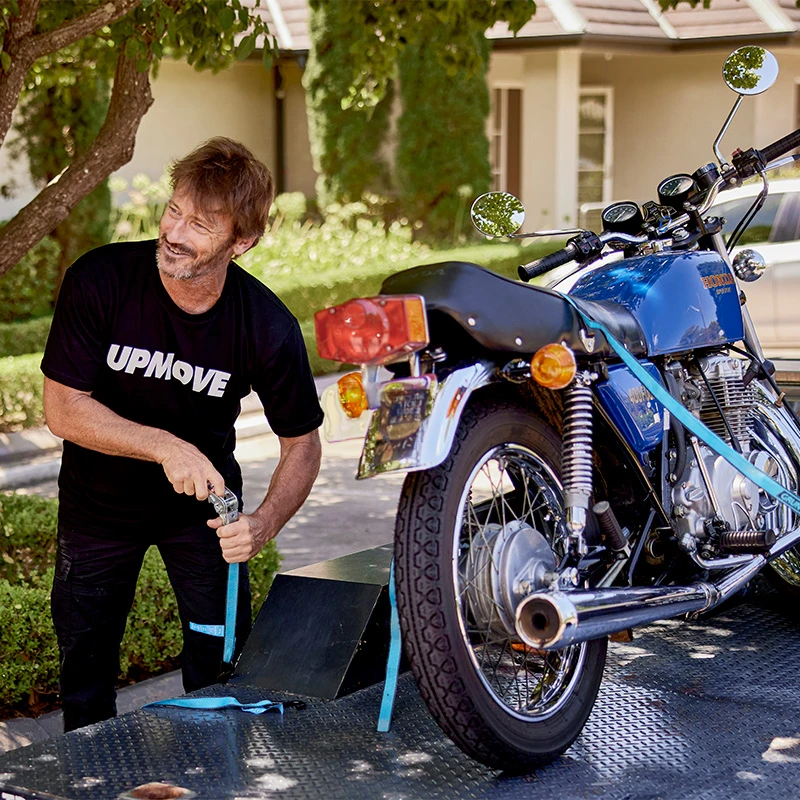
Most transport vehicles include ramps, wheel chocks, and tie-down straps. These tools help keep motorcycles stable during transit. Even small movement can cause damage if a bike is not secured properly. Drivers are trained to position each bike carefully. Attention to detail is essential.
In regional areas, transport routes may include highways, rural roads, and coastal areas. Each environment presents different challenges such as wind, road vibration, or uneven surfaces. Experienced transport providers understand how to manage these conditions. Proper handling reduces risk during longer trips. Experience matters.
Local Transport Services in Geelong
Finding reliable transport options in regional areas requires checking service quality, availability, and equipment standards. Many companies provide flexible booking options for different types of motorcycles. Clear communication helps avoid delays and confusion. Planning ahead is always helpful. Preparation saves time.
For riders looking for trusted assistance, services like motorcycle transport Geelong offer structured solutions that include pickup coordination, secure loading methods, and delivery updates that help ensure motorcycles are moved safely and efficiently across the region. These services are designed to support both short-distance and long-distance transport needs. Organized systems improve reliability. Communication is consistent.
Booking a service usually involves providing basic details such as pickup location, delivery address, and motorcycle type. Some providers may also request information about modifications or accessories. This helps ensure proper handling during transport. Accurate information prevents issues. Simple steps improve efficiency.
Safety Measures During Transport
Safety is one of the most important aspects of motorcycle transport. Bikes must be properly secured using high-quality straps and anchor points. This prevents movement during sudden stops or road vibrations. Stability is essential for protection. Care reduces risk.
Transport vehicles are designed to carry motorcycles of different sizes and weights. Drivers check each load before departure to confirm secure placement. Regular inspections during long trips also help maintain safety. Monitoring reduces potential problems. Consistency is important.
Weather conditions can also influence transport safety. Rain, dust, and strong winds may affect exposed motorcycles in open carriers. Many riders choose enclosed transport for added protection. This helps shield bikes from external elements. Conditions matter.
Cost Factors and Pricing Details
The cost of motorcycle transport depends on several factors including distance, service type, and motorcycle size. Short local trips are generally more affordable than long-distance transport. Enclosed transport usually costs more than open transport. Pricing varies by situation. Distance is key.
Some providers calculate cost based on motorcycle weight or dimensions. Larger or modified bikes may require extra handling care. This can increase the total price. Transparent pricing helps customers plan better. Clear quotes are helpful.
Additional services such as express delivery or door-to-door pickup may also affect pricing. These options offer convenience but come at a higher rate. Riders often choose based on urgency and budget. Flexibility is available. Choices depend on needs.
Preparing a Motorcycle for Transport
Proper preparation helps ensure safe and smooth transport. Riders are usually advised to clean their motorcycle before pickup. This allows for easier inspection of existing damage. Documentation may also be required. Preparation reduces confusion.
Fuel levels should be kept low, typically around one-quarter tank or less. This reduces weight and improves safety during transport. Loose items should be removed before loading. Small steps improve safety. Simplicity helps.
Checking tire pressure, mirrors, and brakes before transport is also recommended. While the motorcycle will not be ridden, stable condition helps during loading and unloading. Transport teams may reject unsafe bikes. Responsibility is shared. Readiness matters.
Choosing a Reliable Transport Provider
Selecting a trustworthy transport provider involves checking experience, customer reviews, and equipment quality. Companies with strong reputations often provide better communication and handling. Experience helps reduce transport risks. Trust is important. Research helps.
Insurance coverage is another important factor when choosing a provider. Many professional services offer protection against potential damage during transit. Understanding coverage terms gives riders peace of mind. Protection adds confidence. Safety extends beyond transport.
Customer support also plays a major role in service quality. Clear updates during pickup, transit, and delivery help avoid misunderstandings. Good communication builds trust between provider and customer. Support is essential. Communication matters.
Motorcycle transport services in regional areas like Geelong offer a safe and practical way to move bikes without riding them long distances, and understanding service options, preparation steps, and safety practices helps riders choose reliable providers while ensuring their motorcycles arrive securely and on time.
